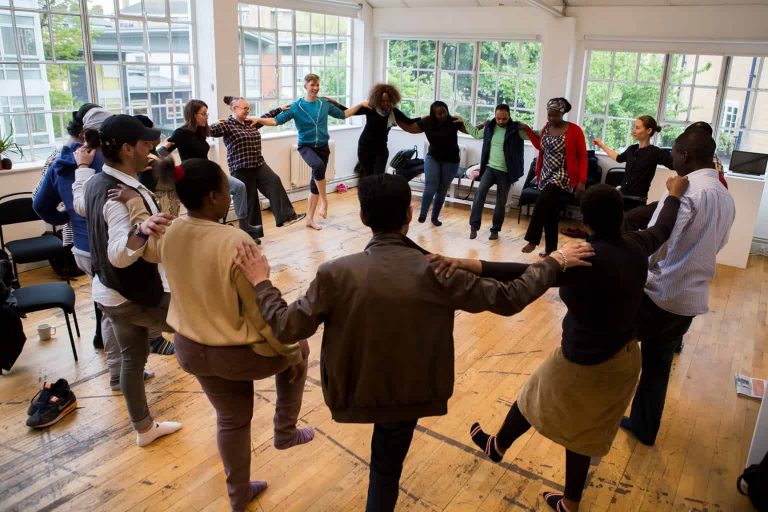
On 20th June 2018, World Refugee Day, we commemorated the strength, courage and perseverance of millions of refugees. As we did so, launching campaigns and activities to raise awareness and stand with refugees, we were reminded that within the refugee community is an invisible and marginalised group. The lesbian, gay, bisexual, trans and intersex (LGBTQI) refugee community continues to suffer discrimination and violence even in their safe host countries. They are excluded and ostracised from refugee and migrant communities because of their sexual and gender identity.
Illegal
Homosexuality is still illegal in 72 countries with 45 countries criminalising sexual relationships between women and 8 countries able to impose a death sentence. Every year, close to 2,000 LGBTQI people seek refuge in the UK from persecution suffered because of their sexual or gender identity. Most LGBTQI refugees have experienced bullying, torture, blackmail, imprisonment, rape, forced marriages and other forms of persecution in their home countries.
The challenges these refugees experience do not end when they reach a safe country such as the UK.
Research shows that LGBTQI asylum seekers and refugees experience poverty and extreme isolation exacerbated by discrimination, homophobia and transphobia within religious, refugee and migrant spaces.
Bullying and abuse
Refugees have reported bullying and abuse from other refugees within communities and in government provided accommodation. Asylum seekers having no permission to work, with no sources of income, are particularly vulnerable to poverty, exploitation and homelessness. A gay Jamaican man recently said,
“I was not allowed to work and when I found myself homeless, I was told that I was not eligible for homeless support through local councils. I had no money, nowhere to go and no one to turn to. This situation caused an immense amount of stress and it took a toll on my mental health.”
Micro Rainbow supported him with emergency accommodation while he was waiting for a response from the Home Office. On receiving his indefinite leave to remain (refugee status), MRI provided move-on support in applying for universal credit and in securing employment. He is now working full time and currently looking for a permanent home.
How to support
People often ask how they can support LGBTQI asylum seekers. Being aware of the issues and challenges asylum seekers face, raising awareness, becoming allies and supporting groups and organisations such as Micro Rainbow are all good ways.
Pride began as a stance against discrimination, to promote equality, increase visibility and celebrate the diversity of LGBTQI people. At the start of the Pride season, let us remember to support and celebrate those who are still invisible, still marginalised – LGBTQI refugees.
This blog post was also published on Amnesty International LGBTQI network’s blog and Gay Star News.