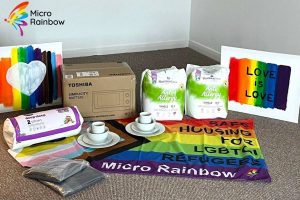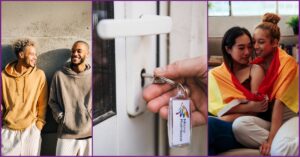

Finding safety and acceptance is often a struggle for LGBTQI asylum seekers and refugees. At Micro Rainbow, housing managers like Nkosazana and John are the cornerstone of the mission to create safe spaces for LGBTQI people fleeing persecution. Their work goes beyond housing logistics—they provide safety, dignity, and a sense of belonging, turning houses into true homes. Through their dedication, they help individuals rebuild their lives and rediscover hope.
A dual mission: practical and emotional support
Housing managers at Micro Rainbow balance two crucial roles. On one hand, they manage the physical spaces: identifying properties, coordinating renovations, and ensuring houses comply with Home Office standards. On the other hand, they support beneficiaries adjusting to new environments, often after years of instability.
As Regional Housing Manager, Nkosazana oversees the big-picture operations across multiple locations. Her work begins long before beneficiaries ever set foot in a house. She ensures properties are located in areas that are safe, accessible, and suitable for LGBTQI residents. This includes checking proximity to public transport, amenities, and local support services. “It’s not just about finding a building; it’s about creating a home where people can truly feel safe and thrive,” she explains.
Nkosazana is deeply involved in vetting and renovating houses to exceed liveability standards. From ensuring bedrooms are spacious and private to overseeing fire safety installations and structural upgrades, she takes pride in every detail. “When we secure a property, I see it as a promise to provide dignity and safety to someone in need,” she says.
John, who oversees housing in the West Midlands, complements this process by focusing on individual support when residents move in. “When someone moves in, we help with everything—from setting up a bank account to registering for healthcare. These small but vital steps empower them to regain independence,” he shares.
Navigating challenges with empathy
The role of a housing manager isn’t without its challenges. Residents, who have endured immense trauma, often face anxiety during their transition. Cultural misunderstandings, mental health struggles, or disputes between housemates can arise. John emphasises the importance of sensitive mediation: “Sometimes, it’s about helping people see how their behaviour impacts others, and finding practical solutions like cleaning schedules or open discussions.”
Mental health is a particularly critical aspect. Many beneficiaries carry past trauma, which can resurface unexpectedly. “We approach every situation with care and connect them to the right resources for additional support,” says John. For both managers, maintaining patience, adaptability, and a focus on the bigger picture helps them navigate these complexities
Moments of triumph
Amidst the challenges are stories of triumph that fuel their dedication. John recounts a shy new resident who initially resisted joining a dance session. “By the end, they were leading the group with confidence and joy—it was incredible to see their transformation in just one evening,” he shares. For Nkosazana, the reward is often in the collective impact of her work. “Every completed house we hand over symbolises hope for the people we support. It’s a reminder of why we do what we do,” she says.
Fostering belonging and community
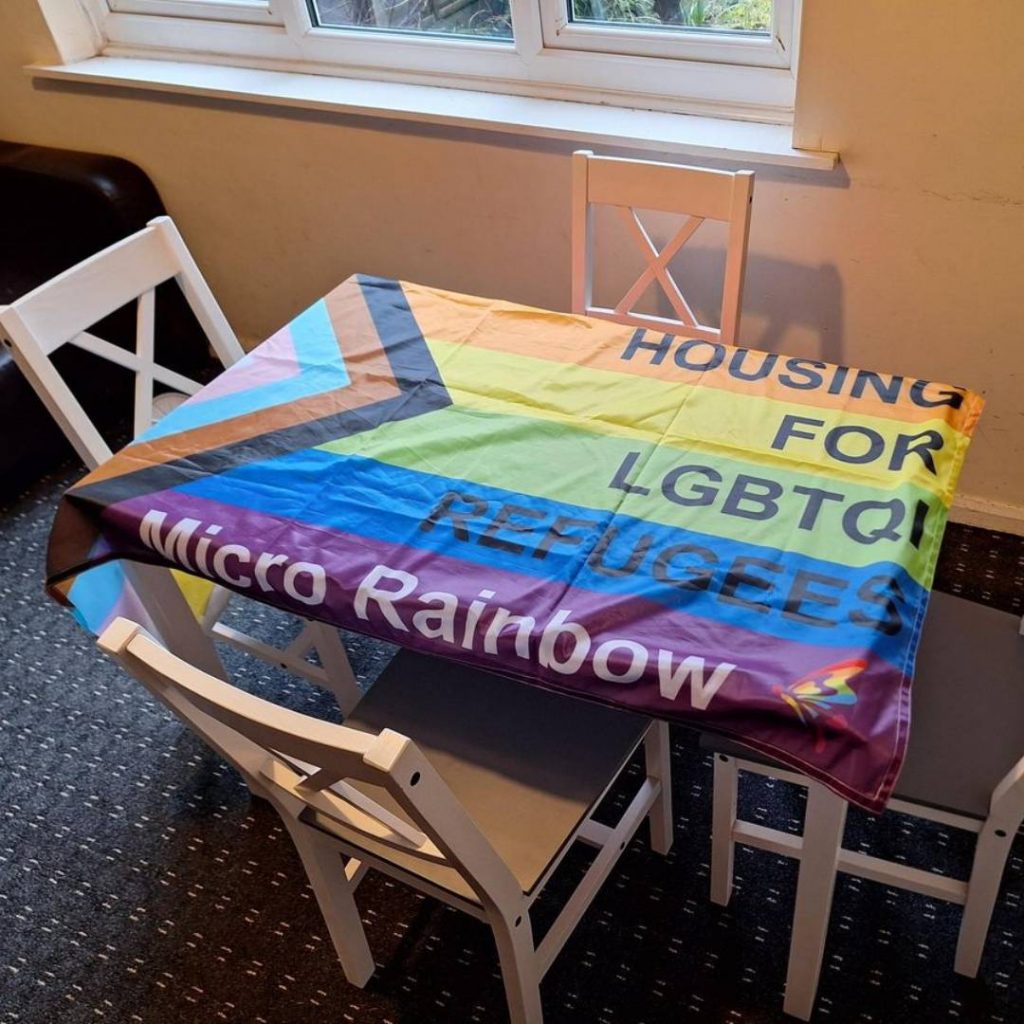
At the heart of Micro Rainbow’s mission is the belief that housing is more than a physical space—it’s a foundation for healing and growth. Social inclusion programs, such as creative workshops and community events, play a vital role in helping beneficiaries rebuild confidence and form connections.
John recalls a Tanzanian beneficiary who thrived after moving into a Micro Rainbow house. In his initial accommodation, he struggled with the lack of access to healthy, home-cooked meals—especially those that reminded him of home. Without a kitchen and limited to fatty, processed meals, he felt increasingly isolated, even dressing in dark colours to hide himself. “He didn’t feel like himself,” John reflects.
Everything changed when he moved into one of Micro Rainbow’s safe houses, where he had access to a kitchen. He began preparing healthy meals, reconnecting with his cultural roots, and expressing himself through vibrant clothing. “He embraced his personality,” John shares. “It was incredible to watch him transform, going from feeling stuck to rediscovering joy and self-expression.”
This transformation is just one example of how Micro Rainbow’s housing programme offers more than just a roof over someone’s head. In these houses, residents often bond deeply, sharing stories and supporting one another through challenges. “While every individual’s journey is different, their shared experiences create a unique sense of family,” says John. For Nkosazana, it’s about crafting environments where everyone feels seen, valued, and understood. “We’re not just creating housing; we’re building safe spaces where people can belong.”
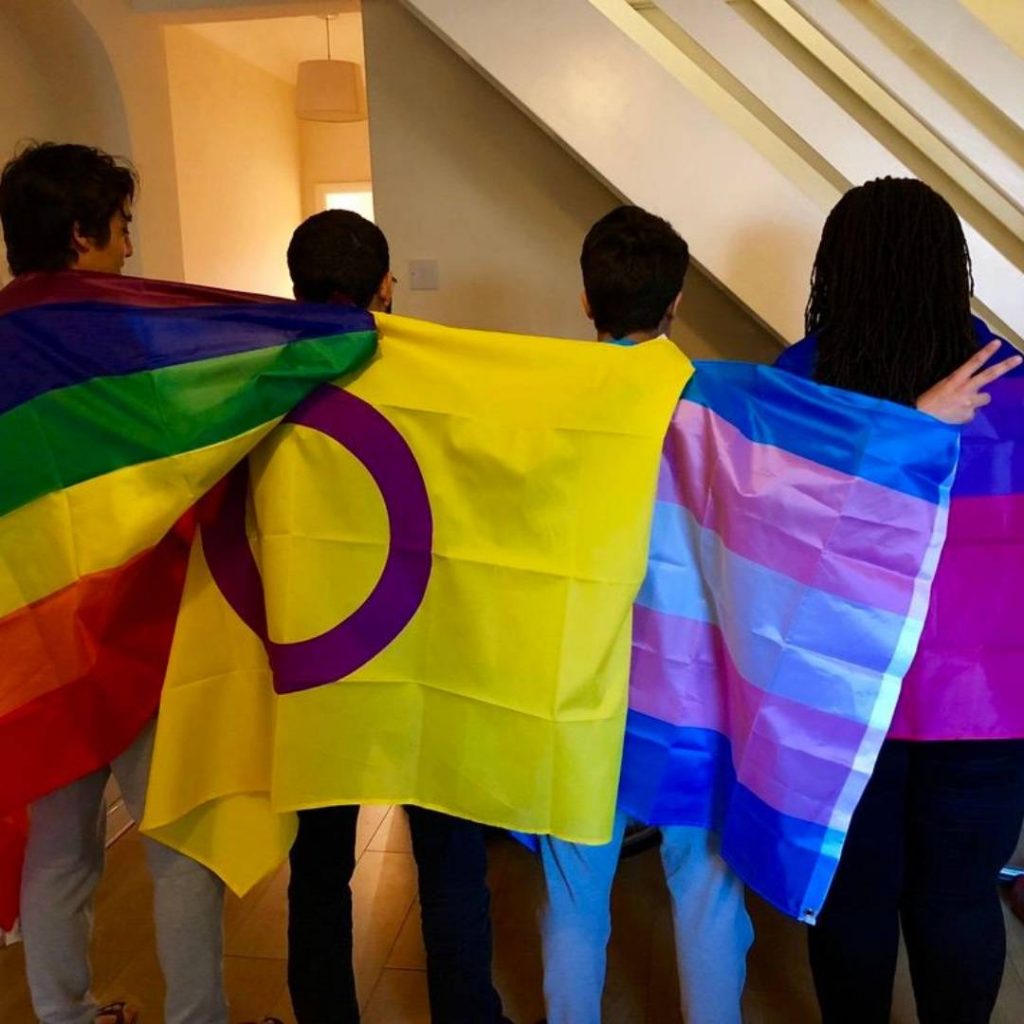
Transforming houses into safe spaces
Housing managers at Micro Rainbow are more than facilitators; they are advocates, problem-solvers, and champions of change. Their work transforms houses into sanctuaries and gives LGBTQI asylum seekers a foundation to reclaim their lives. As John reflects, “Even small acts – helping someone open a bank account or cook their favourite meal – can profoundly change their life. That’s the power of creating safe spaces.”