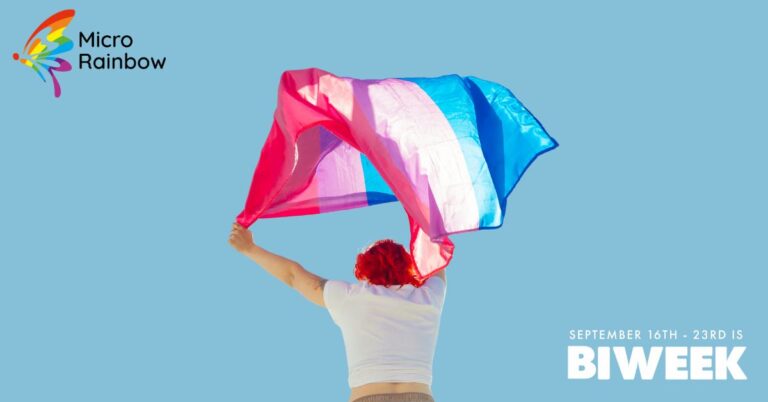
Bisexual Visibility Week is an annual celebration that promotes acceptance of bisexual people and creates a platform for advocating for bisexual rights. It is also an opportunity to challenge bi-erasure and biphobia, both of which continue to shape the experiences of bisexual people around the world.
For bisexual people seeking asylum, these issues can directly affect whether a person’s experiences of persecution are recognised, believed and understood.
Like lesbian, gay and trans people, bisexual people face abuse, harassment and violence in the more than 60 countries where LGBTQI people are criminalised. Although bisexual people are not always explicitly referenced in anti-LGBTQI legislation, they are nonetheless affected by the discrimination, persecution and hostility directed at LGBTQI communities, forcing many to flee their home countries in search of safety.
While the narrative of the gay or lesbian asylum seeker has become increasingly familiar, the experiences of bisexual people seeking protection often remain overlooked. Bi-erasure within society and LGBTQI spaces has contributed to a persistent lack of understanding about bisexual identities, creating additional barriers for those navigating the asylum system.
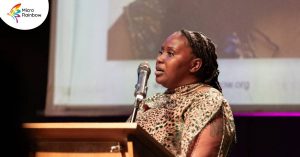
"Applying for asylum was a mixed experience. Some people were understanding, but I also faced doubts. There's a stereotype that bisexuality is not as 'real' or as dangerous as being gay or lesbian, which can make the asylum process harder. I had to repeatedly explain that I faced real risks in Nigeria regardless of who I was dating at the time, because just identifying as bisexual is enough to put your life in danger there."
Rasheedat, a bisexual woman from Nigeria in the Micro Rainbow community
When bisexuality is not recognised
One of the most significant challenges facing bisexual people seeking asylum is the tendency for their identities to be misunderstood or erased.
Despite increasing awareness of LGBTQI rights, misconceptions about bisexuality remain widespread. Some people continue to view bisexuality as a phase, a temporary identity, or a sign of confusion rather than a valid sexual orientation. Others assume that a person’s current relationship determines their sexual orientation.
For bisexual asylum seekers, these stereotypes can create an additional burden. Individuals may feel pressured to explain and justify their identity in ways that gay or lesbian applicants are not. The focus can shift from experiences of persecution to questions about whether a person is “really” bisexual.
This bi-erasure can make it more difficult for bisexual people to have their experiences fully recognised.
The myth that bisexuality is not a valid reason for protection
The experiences of bisexual people are often overlooked in discussions about LGBTQI persecution.
Historically, public understanding of LGBTQI asylum has tended to focus on the experiences of gay men and lesbians. While this visibility has been important, it has sometimes created the perception that bisexual people face less severe discrimination or are less at risk of persecution.
In reality, bisexual people can face violence, discrimination, rejection and abuse simply because they are perceived to be LGBTQI. The fact that someone is attracted to more than one gender does not reduce the risks they face.
Yet bisexual asylum seekers can encounter assumptions that their experiences are less serious or that their need for protection is somehow less legitimate.
The myth that bisexual people can simply 'hide'
Another persistent misconception is that bisexual people can avoid persecution by entering relationships that conform to social expectations.
This idea is rooted in the belief that bisexual people can choose which part of their identity to express and therefore avoid harm. It ignores the reality that sexual orientation is an intrinsic aspect of who a person is and that nobody should be expected to conceal their identity in order to remain safe.
These assumptions are especially significant in the asylum context.
The longstanding “discretion requirement” in UK asylum law allowed decision-makers to refuse claims if they believed a person could avoid persecution by concealing their sexual orientation. Until this approach was overturned in 2010, bisexual people were often especially vulnerable to arguments that they could remain safe by hiding their identity or pursuing opposite-sex relationships.
Although the requirement no longer exists, its legacy continues to influence how bisexuality is understood. The assumption that bisexual people can simply choose not to disclose or express their sexuality remains a common form of biphobia.
When relationship histories are used against people
Previous marriages, relationships or having children can also affect how bisexual people’s claims are perceived.
Many LGBTQI people have spent years concealing their identity in environments where being open could result in violence, criminalisation or rejection. Some entered relationships that aligned with social expectations in order to protect themselves or satisfy family pressures.
For bisexual asylum seekers, these experiences can sometimes be interpreted as evidence that they are not genuinely bisexual.
Double discrimination
Bisexual people frequently experience discrimination from multiple directions.
Alongside the homophobia and anti-LGBTQI prejudice they may face in wider society, bisexual people can also encounter biphobia within LGBTQI communities. This can leave people feeling excluded from spaces where they had hoped to find belonging and support.
For individuals seeking asylum, who may already be dealing with trauma, displacement and isolation, this double discrimination can have a significant impact on wellbeing and belonging
Why visibility matters
At Micro Rainbow, we work to ensure that LGBTQI refugees and people seeking asylum can rebuild their lives in safety and dignity. Through safe housing, social inclusion activities, and moving on/employability support, we help people find stability, connection and a sense of belonging. For bisexual people who may have experienced erasure, misunderstanding or exclusion, having access to affirming spaces and supportive communities can be life-changing.
This Bisexual Visibility Week, we stand with bisexual refugees and people seeking asylum and reaffirm our commitment to creating a world where everyone can live authentically, with dignity, safety and pride.